10 Essential Tips for Medication Safety at Home
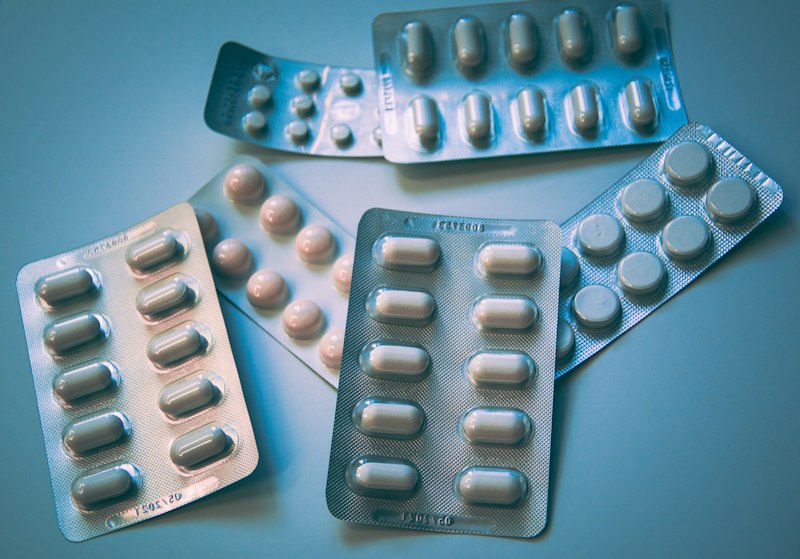
Properly managing your medications at home is critical for your health and safety. Medication errors are one of the leading causes of preventable harm, but most can be avoided with simple precautions. Here are ten essential tips from our pharmacists.
1. Keep an Updated Medication List
Maintain a current list of all medications, including prescription drugs, over-the-counter products, vitamins, and supplements. Include the drug name, dose, how often you take it, and what it's for. Bring this list to every doctor and pharmacy visit.
2. Use One Pharmacy
Using a single pharmacy for all your prescriptions allows your pharmacist to check for drug interactions across your entire medication profile.
3. Read the Label Every Time
Don't rely on memory or the appearance of the pill. Read the label each time you take your medication to confirm the name, dose, and instructions.
4. Store Medications Properly
Most medications should be stored in a cool, dry place away from direct sunlight. The bathroom medicine cabinet is actually one of the worst places because of heat and humidity. Keep all medications out of reach of children and pets.
5. Never Share Prescriptions
A medication prescribed for you may be dangerous for someone else, even if they have similar symptoms.
6. Use a Pill Organizer
Weekly pill organizers make it easy to see whether you've taken your daily medications and reduce the risk of missed or double doses.
7. Set Reminders
Use phone alarms, medication reminder apps, or link your medication schedule to daily routines (like mealtimes) to stay on track.
8. Don't Crush or Split Without Asking
Some medications have special coatings that control how they're absorbed. Crushing or splitting them can cause too much medication to be released at once. Always ask your pharmacist before altering a medication's form.
9. Dispose of Medications Safely
Don't flush medications or throw them in the trash. Bring expired or unused medications to our pharmacy for safe disposal through our drug take-back program.
10. Ask Your Pharmacist
Your pharmacist is one of the most accessible healthcare professionals. Never hesitate to ask questions about your medications, side effects, or potential interactions.