Preparing for Flu Season: What You Need to Know
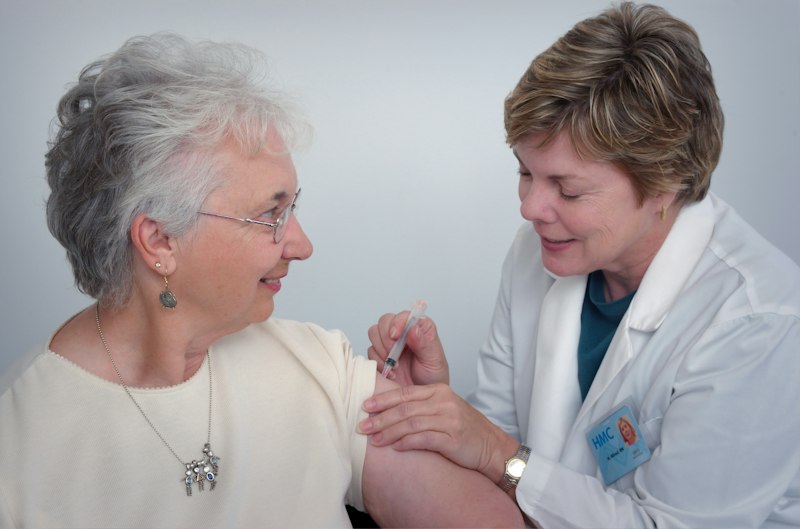
Influenza season typically runs from October through May, with peak activity between December and February. Getting vaccinated is the single most effective step you can take to protect yourself and those around you.
Who Should Get a Flu Shot?
The CDC recommends annual flu vaccination for everyone 6 months of age and older. Vaccination is especially important for:
- Adults 65 and older
- Pregnant women
- Children under 5 years of age
- People with chronic medical conditions (asthma, diabetes, heart disease)
- Healthcare workers and caregivers
When to Get Vaccinated
The best time to get your flu shot is in September or October, before flu season begins. It takes about two weeks for the vaccine to provide full protection. However, getting vaccinated later in the season is still beneficial.
Beyond the Vaccine
In addition to vaccination, these habits help reduce your risk:
- Wash your hands frequently with soap and water for at least 20 seconds
- Avoid touching your face, especially your eyes, nose, and mouth
- Stay home when you're sick to avoid spreading illness
- Clean frequently touched surfaces regularly
- Get adequate sleep, exercise, and nutrition to support your immune system
If You Get the Flu
Contact your doctor within 48 hours of symptom onset. Antiviral medications like Tamiflu can reduce the severity and duration of illness if started early. Stay hydrated, rest, and monitor for warning signs like difficulty breathing, chest pain, or persistent high fever.